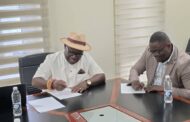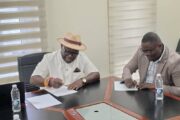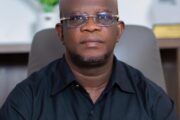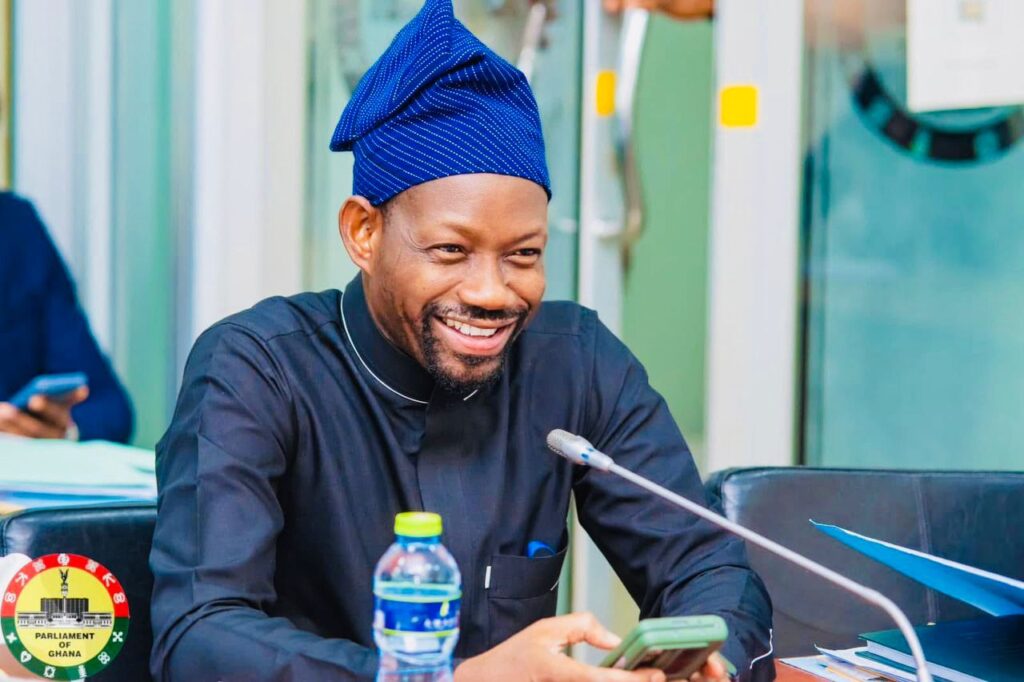
ACCRA, April 24, 2026 — The Chairman of Parliament’s Constitutional, Legal and Parliamentary Affairs Committee, Hon. Mahama Shaibu, has maintained that the Office of the Special Prosecutor (OSP) lacks constitutional authority to prosecute cases on its own, insisting that prosecutorial powers remain solely with the Attorney General under Article 88(4) of the 1992 Constitution.
Speaking after the committee concluded clause-by-clause consideration of the anti-LGBTQ+ bill on Friday, Hon. Shaibu used the briefing to restate his long-held position on the OSP, first argued on the floor of Parliament in 2017 when the Office of the Special Prosecutor Act was passed.*
“Unnecessary from the Start”
“I spent ten minutes on the floor of Parliament arguing that the creation of the OSP at the time was unnecessary and did not have the teeth to bite,” Shaibu said. “I have always maintained that the OSP did not have legs to stand on. If it did at all, it did so at the behest of the Attorney General.”
He argued the office was a “populist creation” when existing institutions like CHRAJ, EOCO, the Special Branch of the Police Service, and the Attorney General’s Department were already available. “All we needed to do was to empower the AG’s Department. They needed resources to be able to prosecute,” he said.
Constitutional Limit: Article 88(4)
The Chairman stressed that no Act of Parliament can override the Constitution. “Prosecutorial power cannot be taken away from the constitutional provision in Article 88(4) and given by a parliamentary construct,” he stated. “An Act of Parliament cannot take the power of a constitutional provision — that is clear and that is trite law.”
Article 88(4) provides that “all offences prosecuted in the name of the Republic of Ghana shall be at the suit of the Attorney-General or any other person authorised by him.”
Shaibu said he was “siding with the High Court” on recent pronouncements limiting the OSP’s prosecutorial independence, calling the court’s decision “apt and in accordance with law.”
“Not Useless, But Limited”
Responding to suggestions that he was dismissing the OSP’s work, Shaibu clarified: “I didn’t say it’s useless. I’m just saying it’s out of law.”
He acknowledged that the OSP, which falls under his committee, has reported on its activities and “did well” in its investigations. “Nobody said that they have not done well by the investigations and the stuff that they have done,” he said. “They still have the power to investigate. They have the power to search. What they don’t have is the power to prosecute unless and until it is authorized by the AG.”
Call for Constitutional Amendment
Shaibu argued that Ghana’s problem is not lack of laws but “the ability and the willpower to enforce those laws.” He said “with or without the OSP, the work of searching, investigation and prosecution can still be done, and done well.”
He pointed to the ongoing constitutional review process as the proper avenue for change. “If anybody is minded to cede the prosecutorial powers of the AG to other institutions, this is the right time to do it,” he said. “Come with an amendment to Article 88(4) and say that these other institutions can prosecute. As things stand now, no other institution except the AG can prosecute, unless you are authorized by the AG to do so.”
“You don’t need a law student to tell you this,” he added. “So the arguments that it is government — unless we don’t want to respect the laws of Ghana.”
The Chairman drew parallels between the OSP debate and current lawmaking, warning that Parliament cannot pass Acts that conflict with the Constitution.
The comments came as his committee wrapped up work on the _Promotion of Proper Human Sexual Rights and Ghanaian Family Values Bill_, which is expected to be laid before plenary when Parliament resumes in May.
Source: Clement Akoloh/parliamentnews360.com