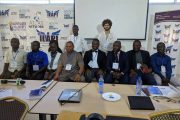
Rabat, Morocco – May 2025 – The Third Deputy Speaker of the ECOWAS Parliament, Hon. Alexander Kwamena Afenyo-Markin of Ghana, has delivered a powerful appeal for dismantling structural barriers hampering intra-African trade. Speaking at the prestigious Crans Montana Forum in Morocco, Afenyo-Markin urged African governments and regional institutions to address exorbitant port costs, poor transport infrastructure, and the absence of coherent industrial policy, which collectively weaken the continent’s trade competitiveness.
In his remarks, Afenyo-Markin recounted a failed trade deal that underscores the systemic issues at play.
“Initially, importing poultry from Morocco was cheaper than sourcing it from Brazil or the Netherlands,” he explained. “But once port charges and tariffs were factored in, the cost tripled. Moroccan investors withdrew, and the opportunity vanished.”

The Ghanaian legislator described how high port fees and inefficient customs processes derailed the proposed partnership between Moroccan exporters and Ghanaian agribusinesses—an incident he said reflects a broader pattern of lost opportunities across Africa.
He highlighted the particular plight of landlocked countries such as Mali, Niger, and Burkina Faso, which depend on ports in coastal nations like Ghana, Côte d’Ivoire, Togo, and Senegal. However, many of these gateways remain burdened by mismanagement, poor infrastructure, and security threats along key trade corridors.
“We speak of regional integration, yet the transport network between Ghana and Lagos remains fragmented,” he said. “Rail links are inadequate, roads are plagued by inefficiencies, bureaucracy, and insecurity.”
While recognizing the potential of regional frameworks like ECOWAS, SADC, and the African Continental Free Trade Area (AfCFTA), Afenyo-Markin cautioned that their success hinges on real investment in transport infrastructure and the harmonization of trade regulations.

“Without addressing the high cost of doing business within the continent and aligning our policies, intra-African trade will remain less appealing compared to trade with Europe or Asia—further weakening local production and industrial growth,” he warned.
To address these challenges, the ECOWAS Deputy Speaker issued a call for urgent reforms, including:
- Streamlining port charges and customs procedures
- Investing heavily in cross-border transport infrastructure
- Harmonizing industrial and trade policies across regions
- Enhancing security and reducing bureaucracy along trade corridors
Afenyo-Markin’s message added urgency to the longstanding conversation about unlocking Africa’s trade potential from within, urging stakeholders not just to speak of integration but to act decisively in building the systems that can make it a reality.